The US – the world’s second-largest importer of beef after China – is likely to be looking for even more beef from global markets over the next three years, as its own domestic production declines, Rabobank says in a newly-released report.
And while Australia is among the major global beef exporters that could help fill the gap, the United States’ own supply constraints mean it will be challenged to find additional export volumes.
With production constraints in many of the world’s beef-producing nations, international markets will struggle to meet the gap left by the US contraction, the report says, potentially leading to an increase in global beef prices and the redistribution of trade volumes. Although the impact of slowing economic conditions and waning consumer confidence around the world may also soften global demand, it notes.
In its Q4 Global Beef Quarterly, the specialist agribusiness bank says while the reduction in the size of the US cattle herd is “nothing new” – with numbers declining rather than building in recent years – it has, to date, not impacted the amount of domestically-produced beef reaching US consumers.
But that is expected to change soon, with the bank forecasting the tipping point to be reached in 2023, when US beef production should fall by 3 per cent, with annual declines of 2 to 5 per cent possible into 2026.
“On average, that is the potential loss of 400,000 to 500,000 metric tonnes of beef from the US production system per year during this period,” the report said.
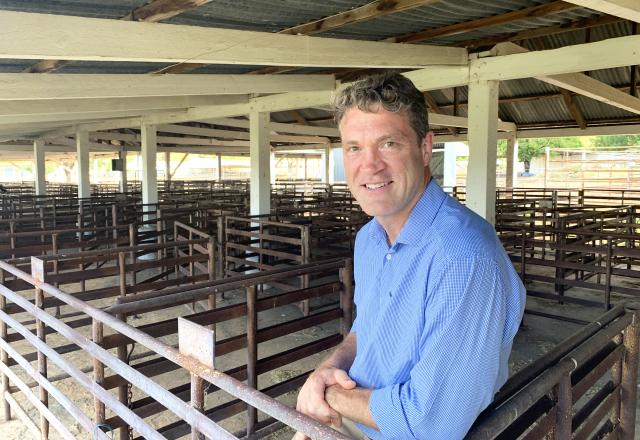
Behind this decline – says the report lead author, Rabobank senior animal protein analyst Angus Gidley-Baird – is a natural cyclical ‘liquidation’ (reduction) in cow numbers after the US herd had peaked in 2019, compounded by the impacts of recent drought conditions and high feed costs.
Filling the gap
Mr Gidley-Baird said previous periods of decline in US beef production suggest the country’s retailers and restaurants will look to the global market to fill this void, and US consumers will likely outbid the rest of the world to keep their fill of beef.
The question is which beef-exporting nations will fill this gap, he said.
“While neighbours Mexico and Canada – the two largest suppliers of beef to the US – are likely to take up some slack, Canada is going through its own cattle herd liquidation phase and likely limited in what it can supply,” he said.
“Australia and New Zealand, the third and fourth largest US suppliers, are the logical next options. But Australia’s recovery from its own beef cattle liquidation phase is being drawn out with some questions as to whether it will have the cattle available to produce the same volumes it has done in the past.”
Mr Gidley-Baird said New Zealand beef production was also expected to be limited – forecast to decline 4 per cent between 2023 and 2025 – while Europe, not a big supplier of beef to the US anyway, was set to continue to record a structural decline in production over that period.
“This leaves South America, which has volume, but lacks the trade access needed to fill the sizeable gap in US production,” he said.
“Brazil’s production is forecast to grow over the coming years, but we expect production in Argentina to decline then plateau. In combination, these two major South American exporters will not increase production enough to offset the drop in the US, even if trade arrangements are changed to increase exportable volumes from South America.”
The report said the net result was Rabobank expected the decline in US beef production would not be met by production growth in major exporting countries.
“And this is even without consideration of any other increases in global beef demand over the same period,” the bank said.
Global market pressure
Mr Gidley-Baird said given the supply pressures in many markets, this meant global beef importers – and consumers – would need to pay more to compete for available supply.
“And this could create a strong upside to prices and a redistribution of trade volumes in coming years,” he said.
The global beef market currently remains solid, the Rabobank Beef Quarterly report said, with cattle prices generally favourable, supported by predominantly positive seasonal conditions and resilient consumer demand.
“But given the slowing economic backdrop – with high inflation and waning consumer confidence – demand may yet soften,” Mr Gidley-Baird said.
“The central question is whether beef markets are shaped more by demand-side or supply-side pressures as we head into 2023.”
Australia
For Australia, the report said, favourable seasonal conditions continue to support producer demand and, in turn, cattle prices, despite softening at the retail end of the supply chain.
Mr Gidley-Baird said local beef prices were expected “to hold as we approach the end of the year, with a likely dip in the new year as cattle volumes increase and summer pasture growth starts to dry off”.
Labour constraints and tight margins are leading to a reduction in slaughter numbers in the Australian beef market, according to the report.
“Volumes dropped below 2021 volumes through September and October as labour continues to be a problem, but, more recently, poor margins have led to some plants scaling back volumes,” it said.
Mr Gidley-Baird said while the bank believed the Australian cattle herd was growing, “it is possibly not doing so at the rates we have seen in the past”.
“We think producers are taking advantage of good feed availability and high cattle prices to trade cattle rather than build breeding numbers,” he said.
“As a result, we haven’t seen cattle prices ease and slaughter numbers lift, despite more than two and a half years of good seasonal conditions – particularly in the south east.”
However, Mr Gidley-Baird said, Rabobank believed cattle numbers would increase through 2023.
“The challenge now is that cattle prices will need to drop further than previously to generate viable processor margins given the rising costs and softer consumer markets,” he said.