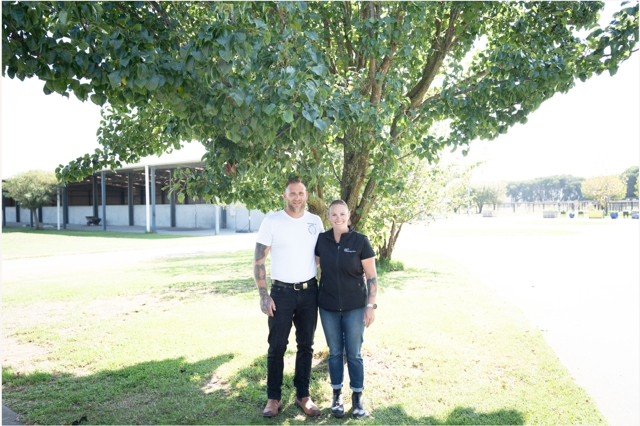
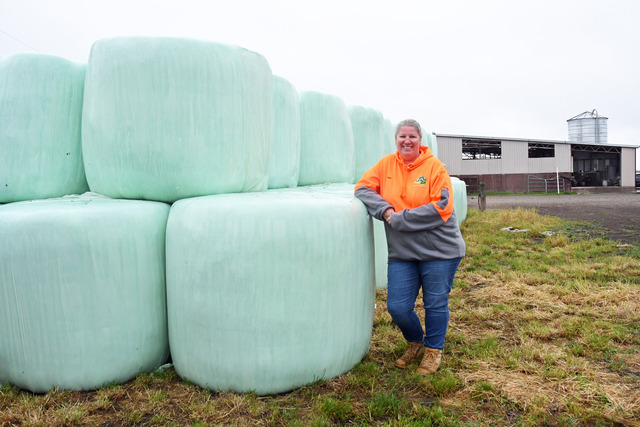
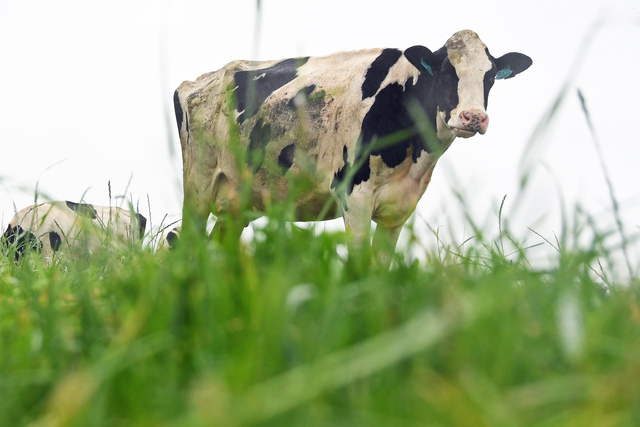
Labertouche dairy farmers Mark and Trish Hammond certainly do not make it easy on themselves when it comes to being on the land, running a large operation producing eight million litres of milk a year. However, despite the pressures that come with the industry, farming has been the solace in life that has given them opportunity in business and the time to raise their family. Journalist Corey Everitt reports.
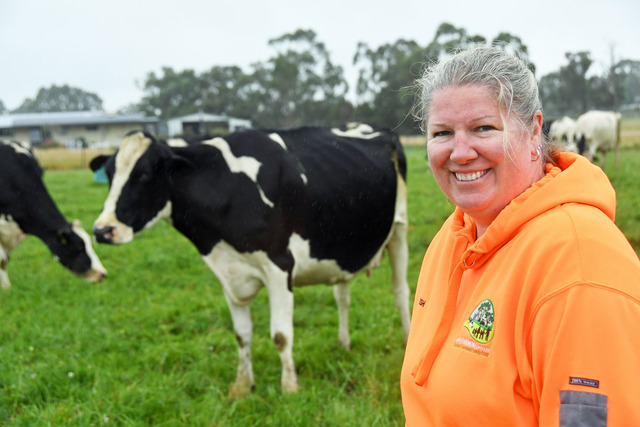
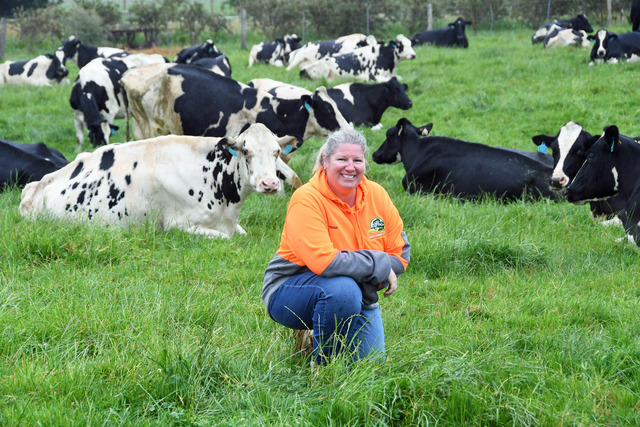
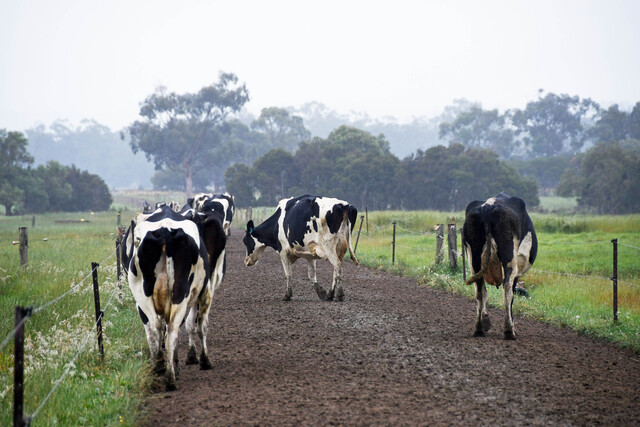
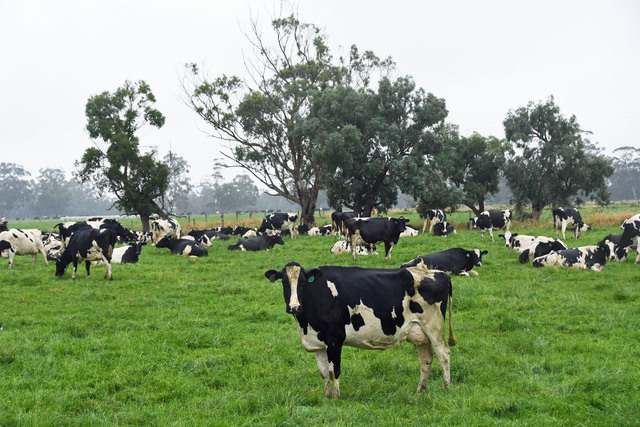
The dairy operation run by Trish and her husband Mark produces about eight million litres of milk every year across approximately 1,600 acres of land, most of which is leased farmland in Labertouche.
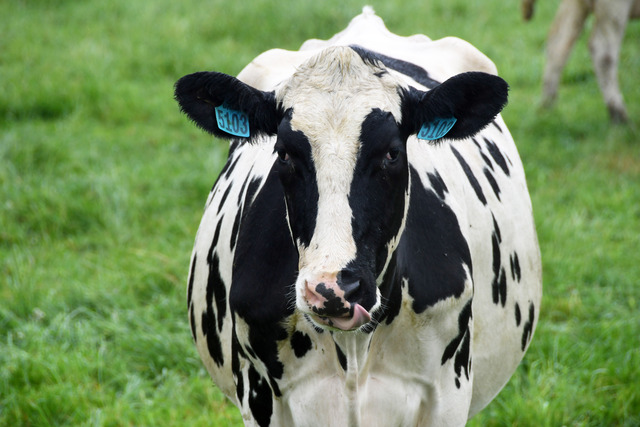
They employ 17 people, from casual to full-time, to keep around 1,800 head of dairy cattle milked.
More than a thousand acres of the farmland, split across two properties, are leased from the Interlandi family, to whom Trish is immensely grateful, not just for the opportunity to produce on their land.
“But it is more so when I dropped my kids off at school in the morning and I watched them all walk to school together and laugh,” Trish said.
“I have the opportunity to be able to be there for my kids.”
Prior to farming, Trish was a full-time nurse. It was Mark who had the farming background, having been raised by share farmers in the dairy industry.
Mark returned to farming after completing his apprenticeship as a diesel mechanic, while Trish completed a degree in nursing. After about eight and a half years of nursing, and welcoming their second child, Trish left the job.
Around this time, an opportunity came up away from the share farm of Mark’s parents, to a property in Labertouche.
With the option to expand with their own business, they took it on while Trish was on her indefinite hiatus from nursing.
Nursing is no easy job, but neither is farming. However, today, Trish very much prefers the latter.
They certainly do not make it easy on themselves by managing cattle in the thousands, particularly in the dairy industry, which has significant challenges of its own.
“I’m always a glass-half-full kind of girl. I look at the industry and the opportunity that it has given Mark, myself and our family,” Trish said.
“Farming has always been good to us, so I can see farmers’ opinions and reasons why they might think, say and feel what they do. But I always look at it as, if we weren’t doing what we were doing, we wouldn’t have achieved what we’ve achieved now.”
In 2019, they moved from the share farm to where they are today, leasing a new property close by and surrounding land.
It was a fateful year to move, as the Bunyip Complex bushfires swept through.
They were fortunate not to lose any stock or fodder, although about 100 acres of paddock were burnt.
Trish left with the children while Mark stayed behind. The uncertainty of that time is not something Trish wants to experience again.
“A lot of our friends all turned up with all this food and drinks, just things to try and keep us going, I suppose, and support us, even though we hadn’t lost very much,” Trish said.
“You did know that you weren’t alone, that you always had support, and that you knew who you could talk to or reach out to if you needed.
“It’s just very humbling and almost a bit overwhelming.”
Being a farmer is far more dangerous than being a nurse. In fact, farming remains one of the most dangerous professions in the world.
However, being responsible not only for themselves but also for 17 employees, the Hammonds have become a gold standard of agricultural safety. They value prevention over reaction, and their relationship with WorkSafe inspectors has become a proactive collaboration to make the farm as safe as possible.
Their approach has been so appreciated that their story was featured by WorkSafe in 2022 as part of National Farm Safety Week.
“If I have any questions or I’m not sure about something, then I always just give them a call,” Trish said.
“Our agricultural inspectors work out of Traralgon, so I see them as a partnership or a collaboration, and I don’t see them as the enemy.
“Safety is at the forefront of everything that we do.
“Reinforcing our safety culture and asking, is there anything you’ve seen or anything you want us to change? What makes your job easier? What do you find hard? Just having the conversations and having our staff know that they’re comfortable enough to say something.”
This year, Trish was featured in Gippsland Jersey’s 2026 Farming Conversation Calendar, which tells the varying stories of people in the industry.
To return to the ultimate question, farming or nursing?
At the end of the day, it is still seeing her kids that reinforces why she dedicated herself to the land.
Most of all, that commitment was cemented in 2012, when Trish and Mark welcomed their third child.
After giving birth, she suffered a postpartum haemorrhage, an emergency that is a leading cause of maternal death, and a fate that Trish came very close to.
Trish thought she was never going to wake up when going into emergency surgery. She spent a week in hospital, where all she had was her thoughts.
“I knew that doing shift work and not being available and around for our kids wasn’t an option for me anymore,” she said.
“So I made the decision. I thought, you know what, I think farming is one of the only occupations where you can have your children with you, within reason and as long as it’s always safe. And I just think that they’re my priority, because I nearly lost everything and I almost wasn’t here.
“We wouldn’t be able to do that without our staff, with it being such a big farm as well.
“And I’m always available when I’m needed, and for them. So that’s just how I’ve been able to keep it going.”