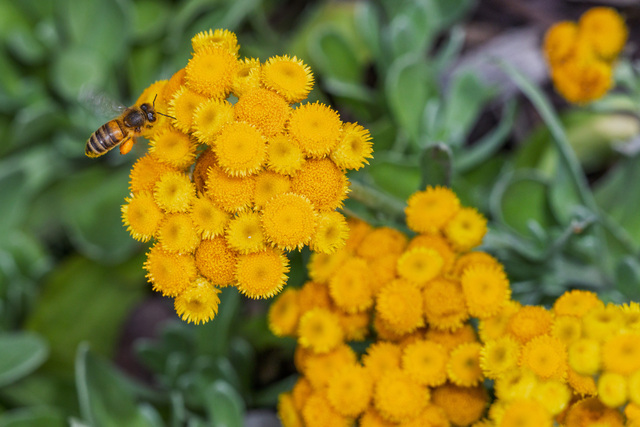
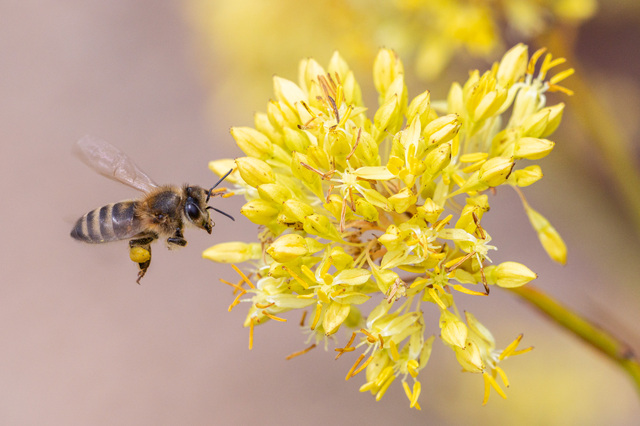
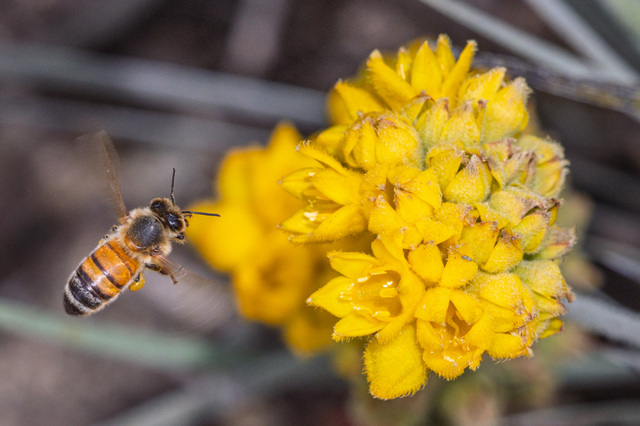
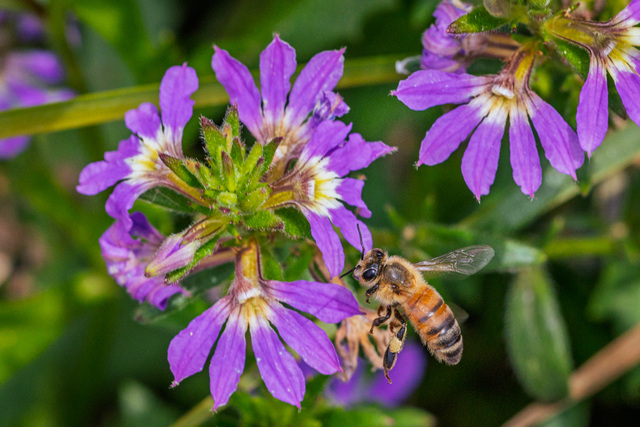
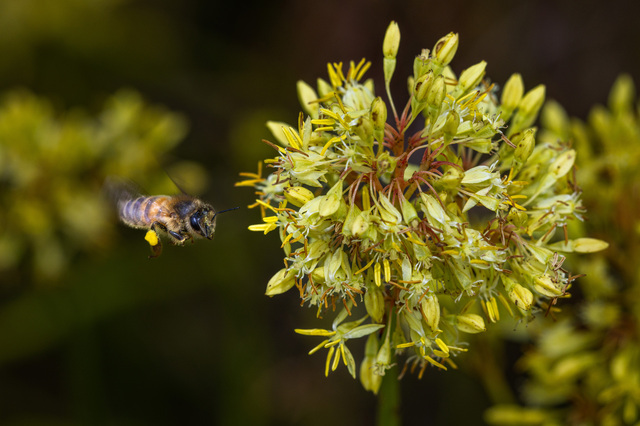
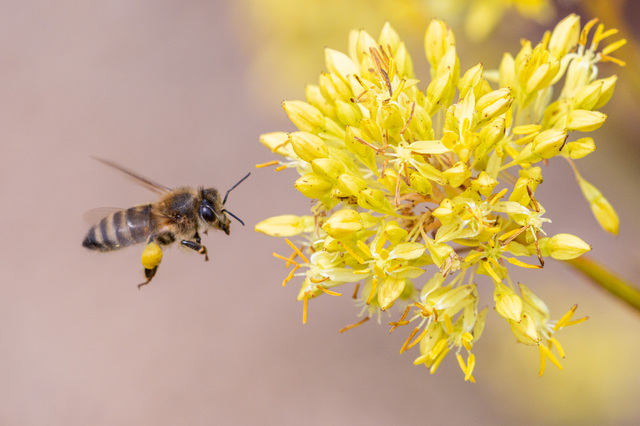
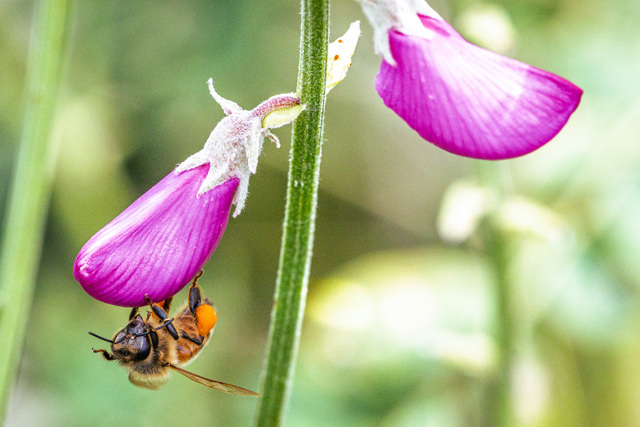
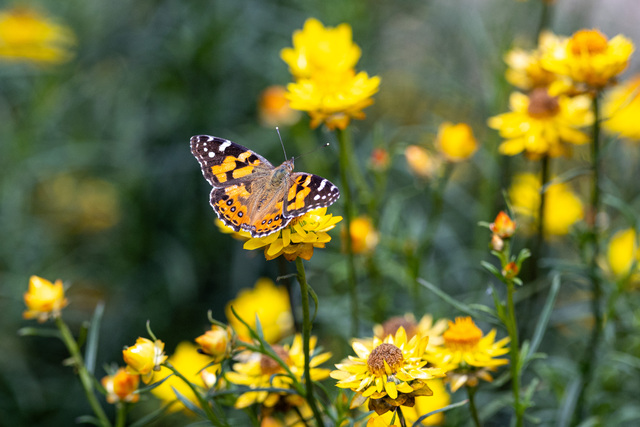
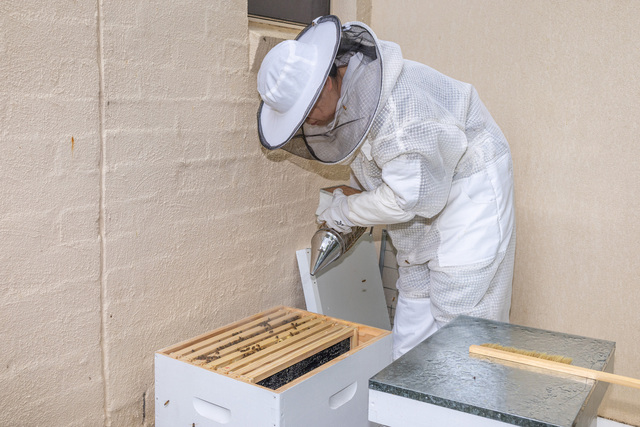
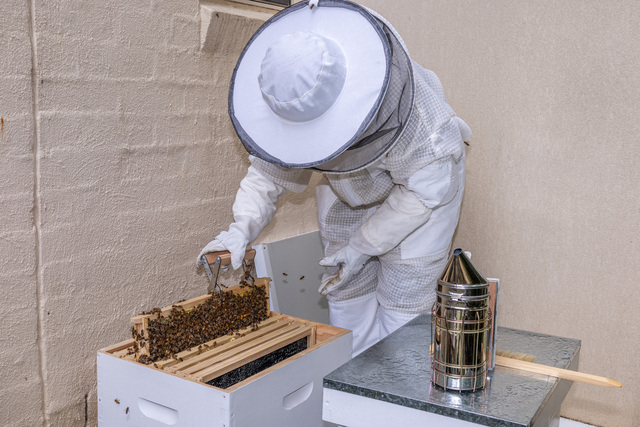
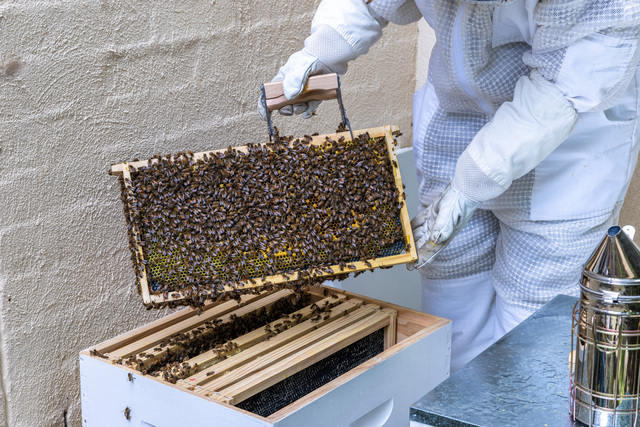
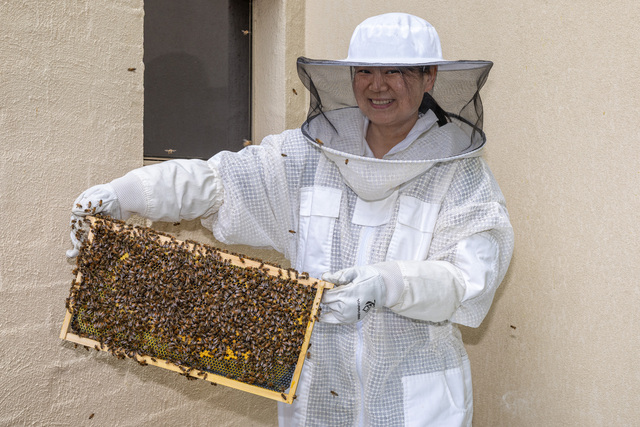
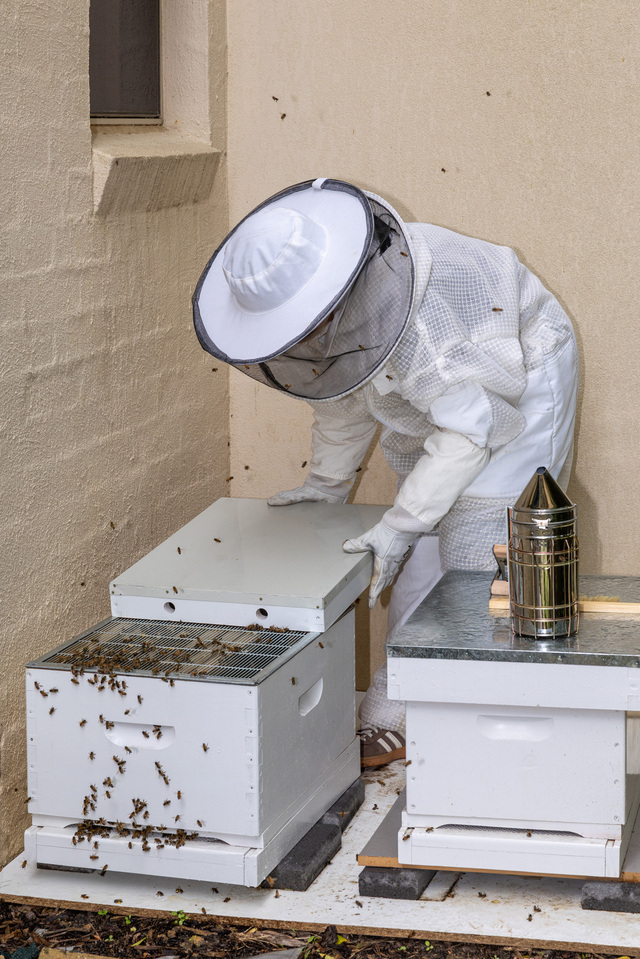
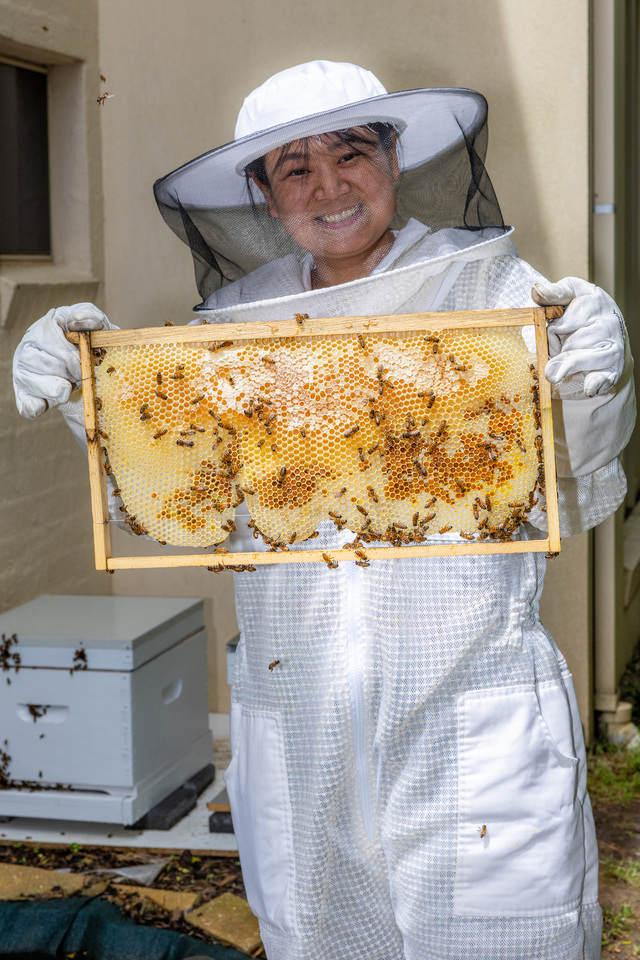
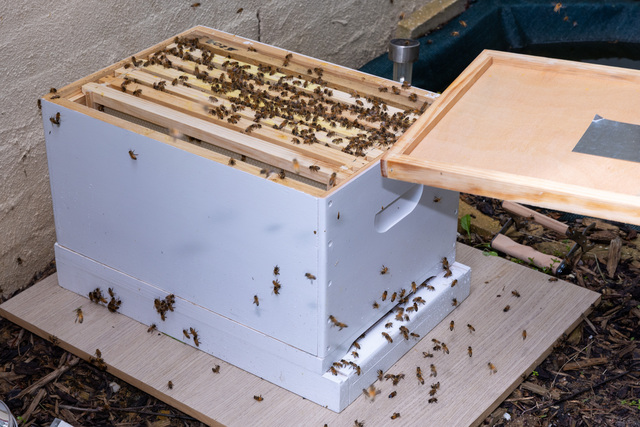

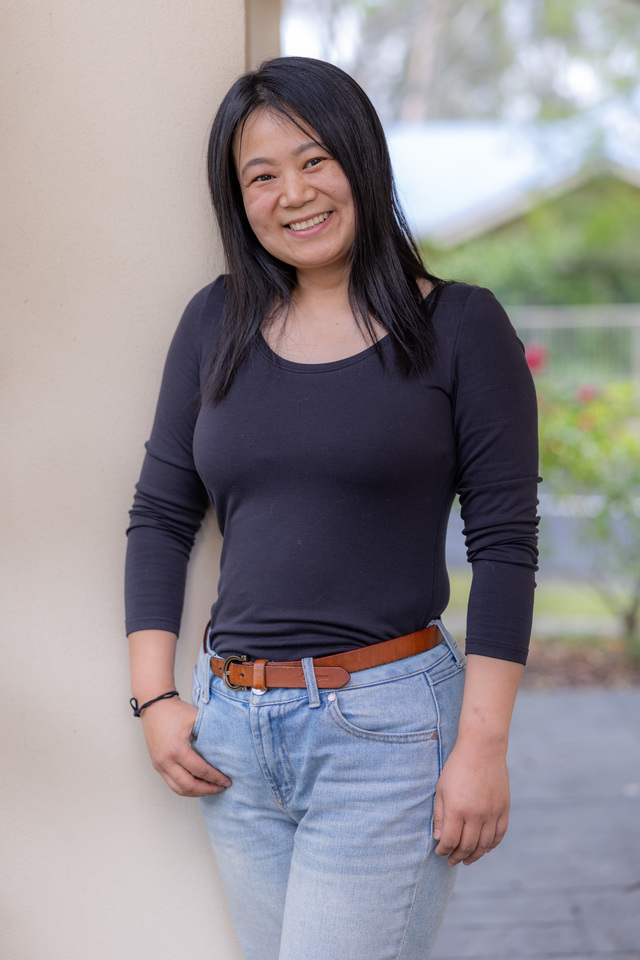
Alice Lin crouched beside a small hive in her backyard, the soft hum of bees filling the air as she carefully checked the frames. She had only been learning beekeeping for a few months, but already it had become a quiet, grounding part of her life.
Since moving to Australia five years ago, Alice had hoped to feel part of the local community.
Opportunities had been limited, and her English was still a work in progress. But everything changed when she began helping neighbours with swarm removals.
“Even though my English isn’t perfect, people trust me,” Alice said.
“They believe I’m doing the right thing for the bees and for them. And that feeling of being needed, of being able to help, means a lot to me.
“Beekeeping gives me so much joy, and helping others gives me a sense of purpose. It’s like both parts grew together, and now they’ve become a very special chapter of my life.”
One rescue stands out. After removing a swarm for a family, she told them, “If a swarm comes again, please don’t spray them. Just call me.”
The woman smiled and replied, “I would never spray them. If we need help, we’ll call you.”
“At that moment, I felt something shift. I realised that what I’m doing isn’t just a hobby,” Alice said.
“It’s something meaningful. I’m helping people, and I’m helping the bees. That makes me feel incredibly grateful.”
Earlier this year, Alice bought a small hobby farm with a ‘simple dream’: to turn it into a place filled with lavender and blueberries, where bees drift between blooms and the air carries that faint, warm sweetness of honey.”
But before moving, she started small.
“I kept a few hives in my backyard so I could learn how to care for them properly,” she said.
“What began as a practical decision quickly became something much more meaningful.
“Beekeeping has given me a sense of peace, purpose and connection to nature that I didn’t expect but now can’t live without.”
Her very first hive lost its queen, leaving Alice unsure what to do. She posted in a local beekeeping Facebook group seeking advice.
A local resident named John, who became her first beekeeper friend, responded and offered her a swarm.
“That day, standing under a tree with bees swirling gently in the air, I felt an unexpected excitement and joy,” Alice said.
“He didn’t just give me a swarm, he introduced me to the thrill and wonder of catching one.
“That experience completely changed my relationship with bees and was the moment I truly fell in love with beekeeping.”
Alice soon discovered that many residents panic when they see a swarm.
“I always worry that if they can’t find a beekeeper in time, their fear might lead them to spray the bees. And once a colony is sprayed, it’s gone forever,” she said.
So she began offering free swarm removals, while educating the homeowners and the public about bees’ behaviour.
“It’s my way of protecting both the bees and the people in my community,” Alice said.
“A swarm is simply a colony on the move, stopping for a rest. I always explain to homeowners that swarms are usually very gentle. Without a hive or honey to defend, they have no reason to attack.”
Her process is careful: closing windows, keeping pets inside, placing a hive box beneath the cluster, and guiding the bees inside. Once the queen enters, the rest follow in a surprisingly orderly flow.
“The process isn’t always completely calm—they’re living creatures, after all. But it’s surprisingly orderly and far less dramatic than most people imagine,” Alice explained.
Bees are far more important than many realise.
“When we save a single swarm, we’re actually protecting an entire colony that supports our local environment,” she said.
Alice wishes more people knew how simple it is to help bees: plant flowers, avoid harmful chemicals, leave clean water, and call a beekeeper if a swarm appears.
Despite jumping into agriculture with no prior experience, Alice says the path felt natural.
“The truth is, I didn’t have a fear to overcome. I’ve always loved insects, even since I was little. Watching bees flying around actually makes me feel happy and calm,” she said.
“So stepping into beekeeping didn’t feel like a brave leap—it felt natural, almost like I was finally doing something I was meant to do.”
Early challenges, like losing her first collected swarm when it absconded, taught her patience.
“Every ‘mistake’ has taught me something valuable. Beekeeping keeps humbling me, but it also keeps rewarding me in the most unexpected ways,” Alice said.
Her backyard hive became a classroom. Alice photographed a single egg every day as it transformed into a larva, then into a capped cell, then finally into a bee.
“Seeing that transformation so closely was like witnessing a small miracle happening inside the hive,” she said.
“Keeping my first hive in the backyard has made me feel a deep sense of respect for life.”
Next month, Alice will move her hives to her new farm in Cora Lynn. The quiet property was previously owned by an elderly Irishman whose family sold the land after his passing.
“At first, I felt a little sad thinking about the life he must have lived on that land,” she said.
“But then I realised that in a way, we’re not so different. We’re also new immigrants, and just like he once did, we’re hoping to create a life we love here.
“It feels like we’re continuing the story of the land, adding our own chapter to it.”
She plans a calm “bee corner” with morning sun, afternoon shade, native flowers, lavender, blueberries and fresh water.
“My goal is to give the bees a home that feels stable, peaceful and full of nectar sources. Somewhere they can thrive… and somewhere I can continue learning from them.”