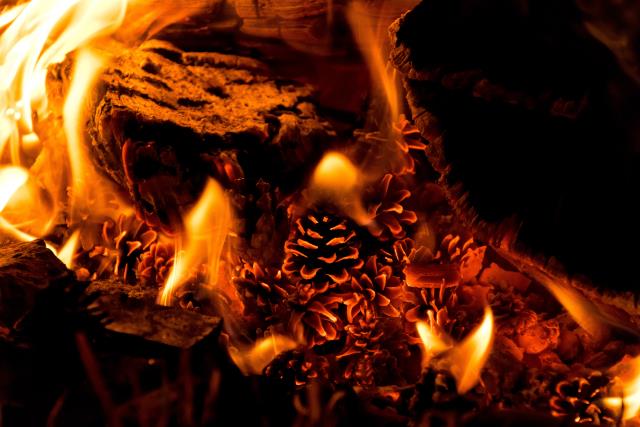
Alarmingly, there are 3000 house fires on average across the state each year, but there are a few ways you can prevent this from happening.
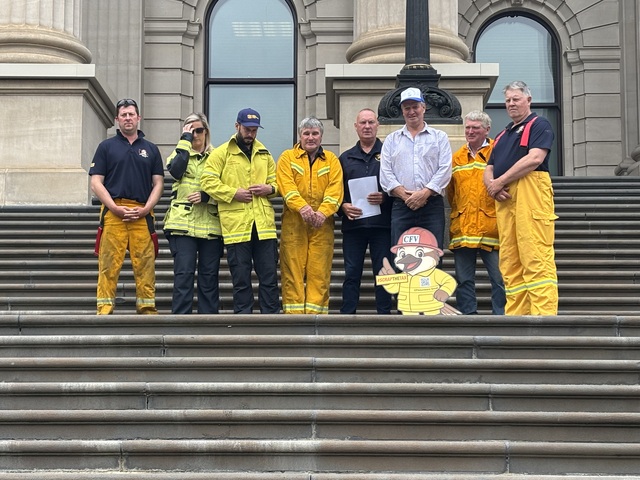
If you follow these simple tips from the Victorian CFA, it will help prevent blazes from occurring.
-The most common place in the home where fires start is the kitchen. Many kitchen fires are caused by cooking that has been left unattended. Others are caused by electrical faults and flammable items like paper towels and curtains that are too close to sources of heat like the stove or toaster.
If the cooking area is not kept clean, a fire that starts on the stove can very quickly spread to built-up grease and fat around the stove and range hood, with the fire travelling up into the roof and to the rest of the house.
-Many fires that result in people dying start in bedrooms or lounge areas.
Often this is due to improper use of electrical appliances or home heating.
Electrical items in the home can include the power supply, fixed or portable appliances, power boards and extension leads.
-During the colder months, the CFA sees an increase in the use of heating appliances, gas and electric.
If you bring a portable heater into a bedroom be sure that it is well away from things that can burn, like clothing, bedding and curtains and always turn it off when you get into bed or leave the house.
If you’re drying clothes in front of a heater of any kind, always keep them at least a metre from the heater.
-As powerboards become more common, it’s important to remember that they are only meant to be temporary and they shouldn’t be a permanent fixture in your home.
Power boards can only take a limited number of devices so only plug in one device per outlet.
Never plug double adapters or extra power boards into a power board and don’t plug high powered appliances like heaters into a power board or extension lead.
Doing so can cause the power board or extension lead to heat up and start a fire.
-Top home fire safety tips from the CFA:
• Book a licensed gas-fitter to check your gas heater
• Check chimneys, flues and fire boxes for cracks, rust and debris
• Check electric blankets for kinks in the wiring
• Clean the lint filter in your dryer (and continue to do this after every use)
• Check appliances for visibly frayed or damaged wiring
• Complete a Home Fire Safety Checklist to see if you’ve done everything you can to protect you and your family.
• Prepare a home fire escape plan and practice escaping quickly and safely.
-Plan how you would escape a fire in your home
Families who are well-prepared are more likely to escape their homes safely and without panic.
As part of your plan, all family members should know:
• The two quickest ways out of every room
• How they will exit from upstairs if your home has a second storey
• An agreed-upon meeting place outside, such as the letterbox
• How they will call Triple Zero (000)
-Top survival tips for when a fire occurs:
• If your clothes catch fire, stop, drop and roll
• Get down low and stay out of smoke.
• Use the back of your hand to check doors for heat before opening
• If it’s safe, close doors to slow down the spread of fire and smoke.
• Alert other people on your way out.
• Get out and stay out.
• Meet at a safe place such as the letterbox or footpath outside your home.
• Call 000 (triple zero) from a mobile phone or a neighbour’s phone. Ask for “fire” when the call is connected.
-What parents need to know
Children are less likely than adults to wake up to the sound of a smoke alarm.
Think about how you might be able to reach children’s bedrooms if regular access is blocked by fire.
Families should practise fire drills twice a year, more often with younger children.
-Never lock your deadlocks when you’re at home
During a fire it will be dark and smoky – and a deadlocked door could block your escape.
If you must keep deadlocks locked, leave your keys in the door.
Details: cfa.vic.gov.au/plan-prepare/fires-in-the-home