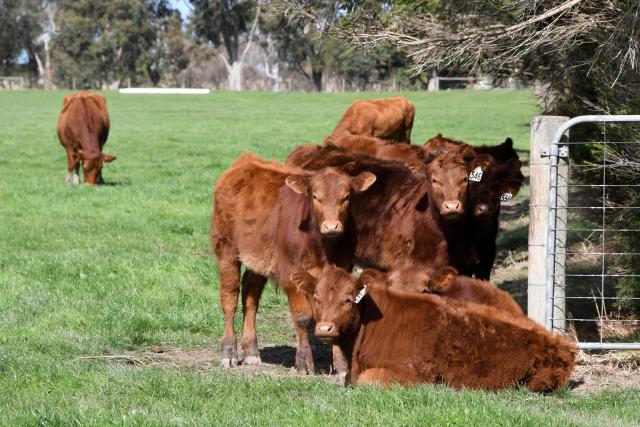
As we move from late spring to summer, dairy effluent can be applied to areas with some green leaf still present after cutting for silage. This will help to promote valuable pasture regrowth for extra grazing and replace lost nutrients.
Dairy effluent contains many important nutrients such as nitrogen, phosphorus and potassium. An effluent test is the best way to determine the most appropriate application rate for your farm as nutrient levels vary between farms.
Total potassium per application should be no more than 60 kg potassium per hectare and no more than 120 kg potassium per hectare per year.
Total nitrogen application should be no more than 60-80 kg nitrogen per hectare. Heavier applications increase the risk of nitrate poisoning, mineral imbalances and losses to the environment.
If a chemical analysis isn’t available, a rule of thumb is to apply liquid effluent at a rate of 1 megalitre per 4 hectares, where there is no likelihood of runoff from the property.
Restrict cattle grazing for at least 21 days after the application of effluent as this withholding period will overcome any palatability or fouling issues, reduce the risk of pathogens and allow time for the plants to respond to the nutrients.
Sludge will also need to be removed from your first pond every so often, depending on the design. This can be applied to paddocks about to be cultivated for a crop or sprayed thinly on pasture at similar times to the effluent.
Vacuum tankers can be useful for this purpose. Withholding periods tend to be longer for sludge applications than liquid effluent, and these paddocks shouldn’t be grazed until the grass has grown through the sludge layer.
Continue to conduct regular soil testing over the longer term where effluent is applied, to monitor nutrient levels and soil health.
For more information about using dairy effluent visit agriculture.vic.gov.au/livestock-and-animals/dairy/managing-effluent or contact Rachael Campbell on rachael.campbell@agriculture.vic.gov.au
For more information on managing during drought visit agriculture.vic.gov.au/dryseasons or call 136 186.